As an Amazon Associate I earn from qualifying purchases.
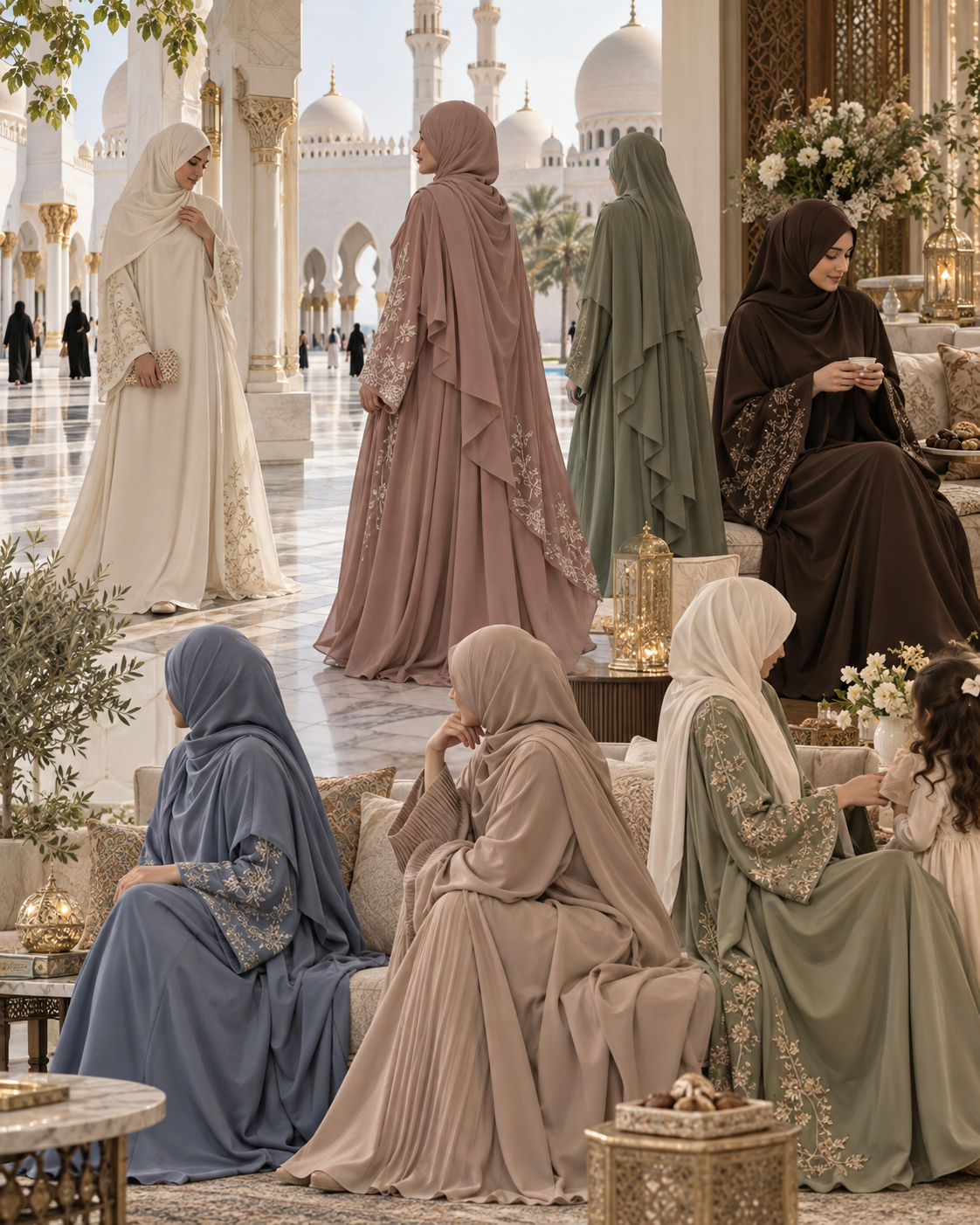
A beautiful Muslimah outfit should begin with coverage, comfort and intention. The goal is not to define the figure, but to create a calm, polished silhouette that remains practical for prayer, visiting family and moving through a full day.
These ideas use opaque fabrics, loose cuts, high necklines, long sleeves and floor-length hems. Adapt every look to your local mosque guidance, climate and personal understanding of modest dress.
What every outfit should have
- A loose silhouette that does not outline the body
- Opaque fabric in daylight and indoor lighting
- Full-length sleeves and a floor-length hem
- A secure hijab, khimar or jilbab that covers the hair and neckline
- Comfortable layers that remain in place during movement and prayer
- No belt, tied waist, high slit or transparent panel
15 fully covered outfit ideas
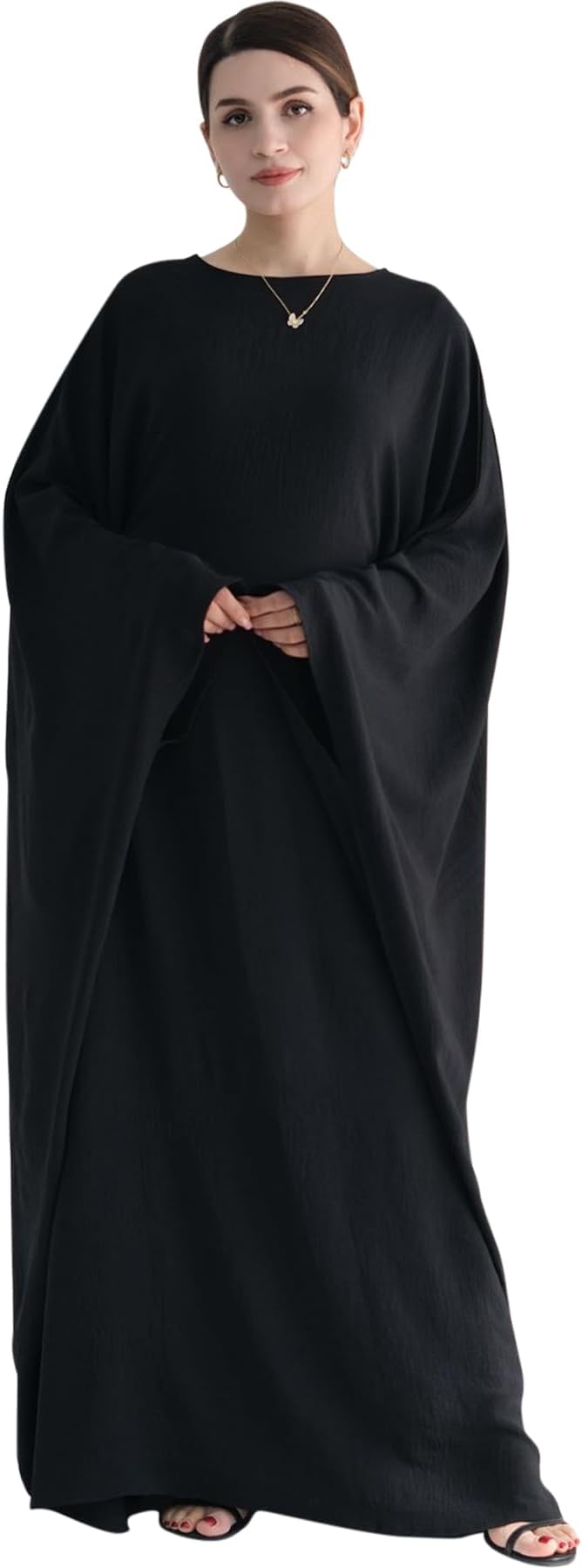
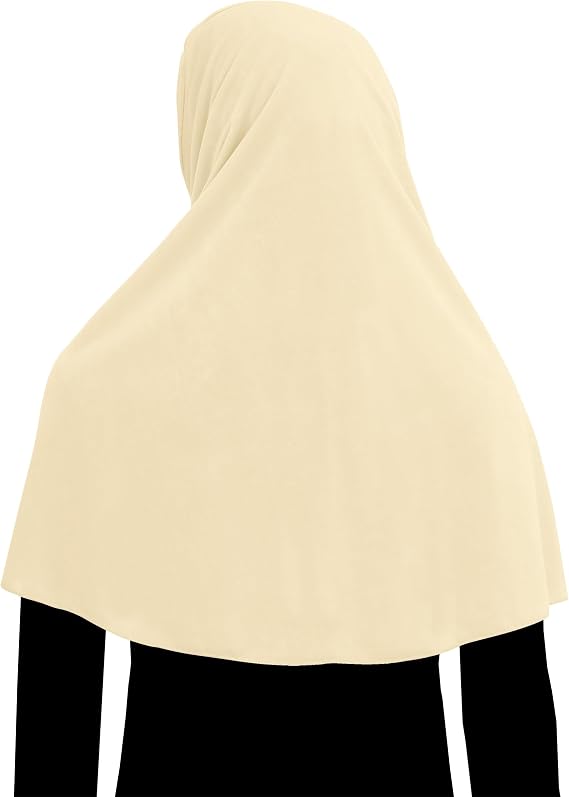
1. Black abaya with a cream khimar
A loose black abaya and long cream khimar create a simple, dignified combination for Jummah. Choose matte, opaque fabrics and keep the abaya completely unbelted.
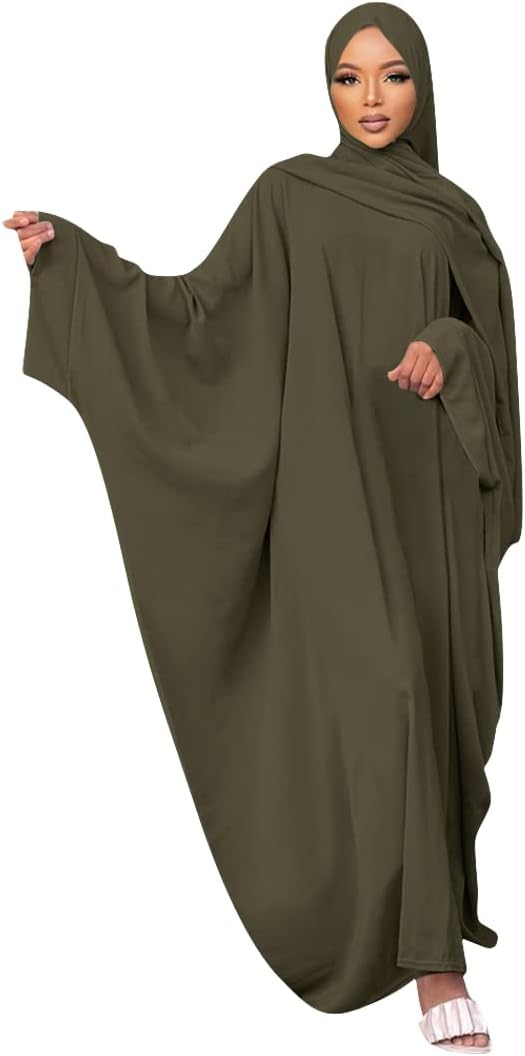
2. Olive abaya with a taupe jersey hijab
Muted olive feels refined without being bright. Pair it with a large taupe jersey hijab that stays secure and provides generous coverage at the front and back.
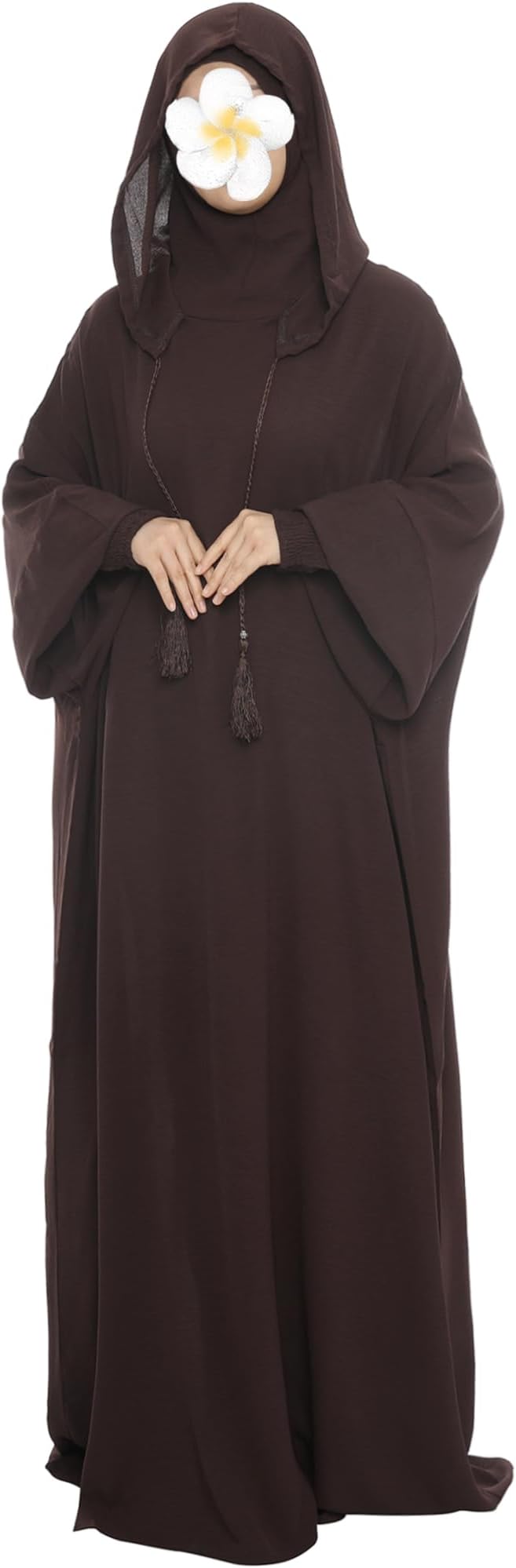
3. Coffee-brown abaya with an oat khimar
Coffee brown and oat make a soft tonal outfit for family gatherings. A long khimar adds coverage while keeping the color story quiet and cohesive.
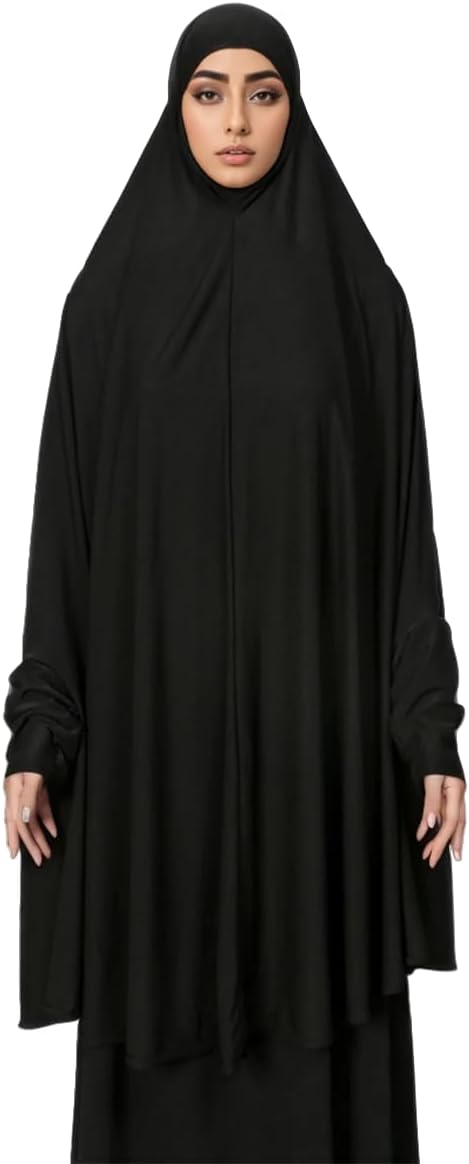
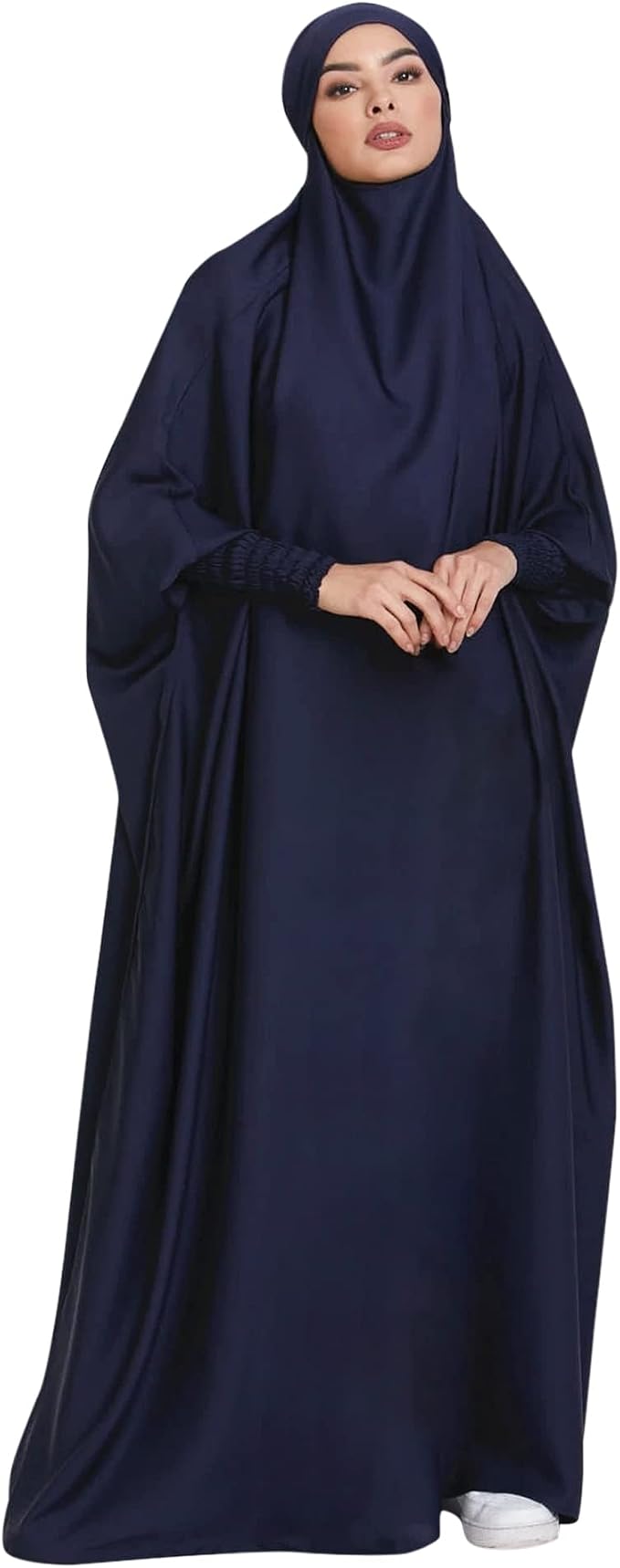
4. Navy jilbab with a matching khimar
A one-color navy jilbab and khimar create an uninterrupted, fully covered silhouette. Look for breathable opaque fabric and enough width for comfortable movement.
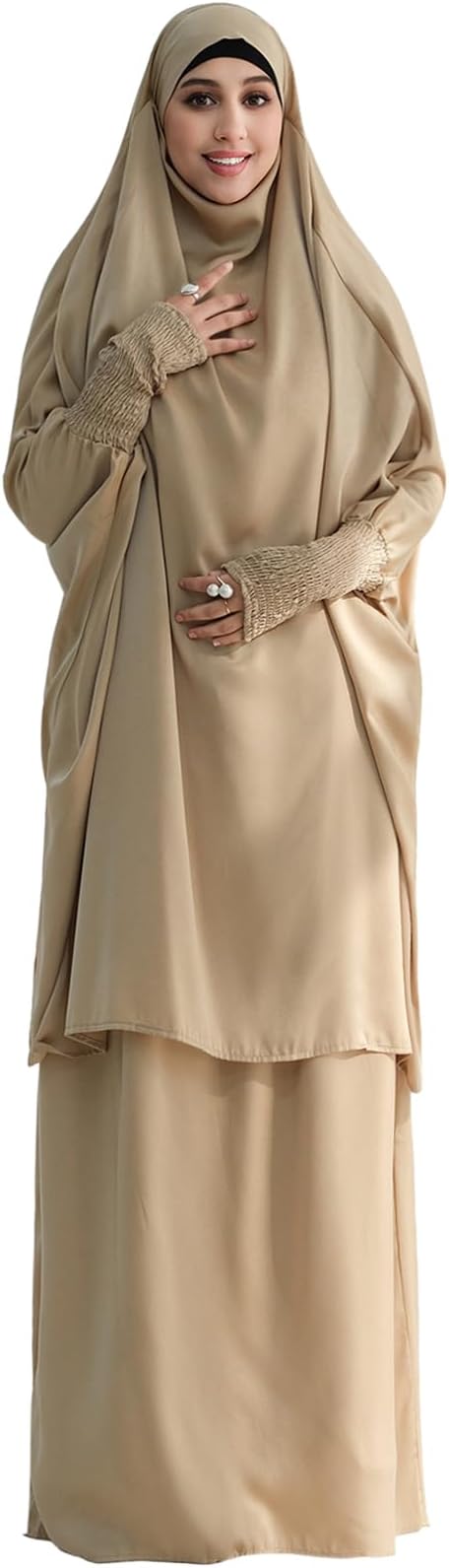
5. Two-piece prayer set in a dark neutral
A roomy two-piece prayer set is a practical choice when you want simple coverage with minimal adjusting. Charcoal, espresso and navy are versatile everyday colors.
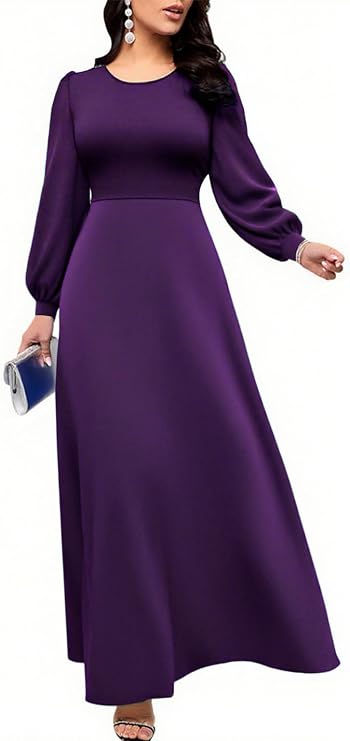
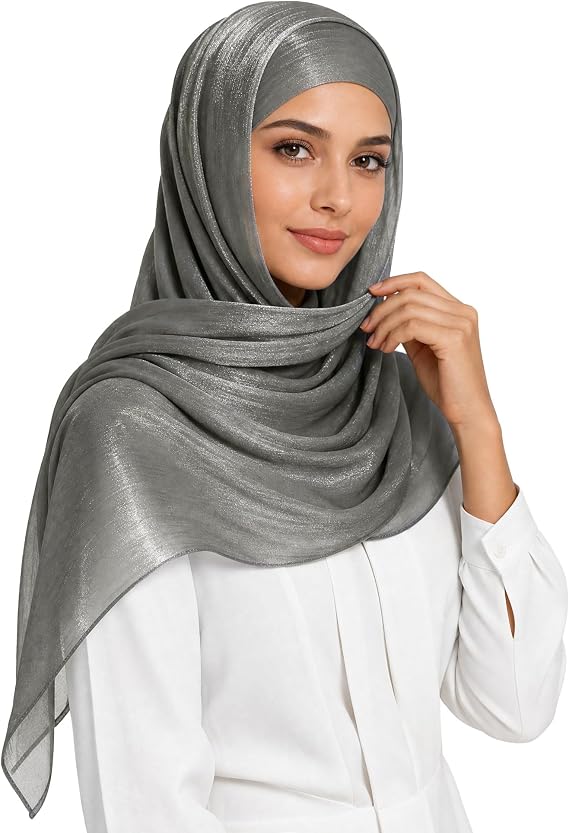
6. Plum loose maxi dress with a charcoal khimar
For a richer color, choose a plum dress that falls loosely from the shoulders without gathering at the waist. A charcoal khimar keeps the combination grounded.
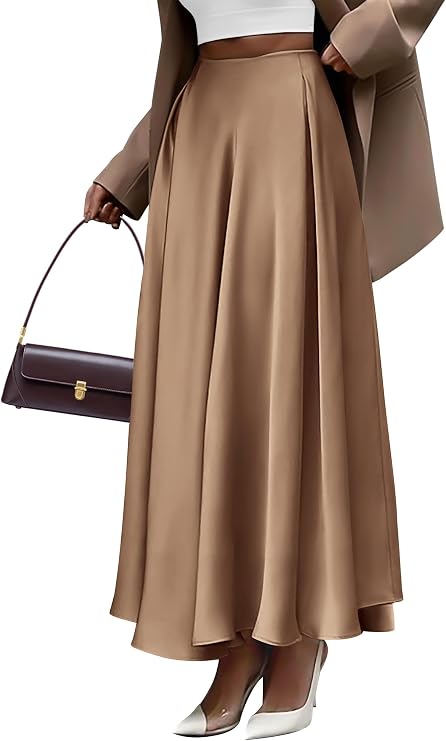
7. A-line maxi skirt with a long untucked tunic
Choose an opaque A-line skirt with plenty of room and add a loose tunic extending well below the hips. Keep both pieces close in color for a continuous line.
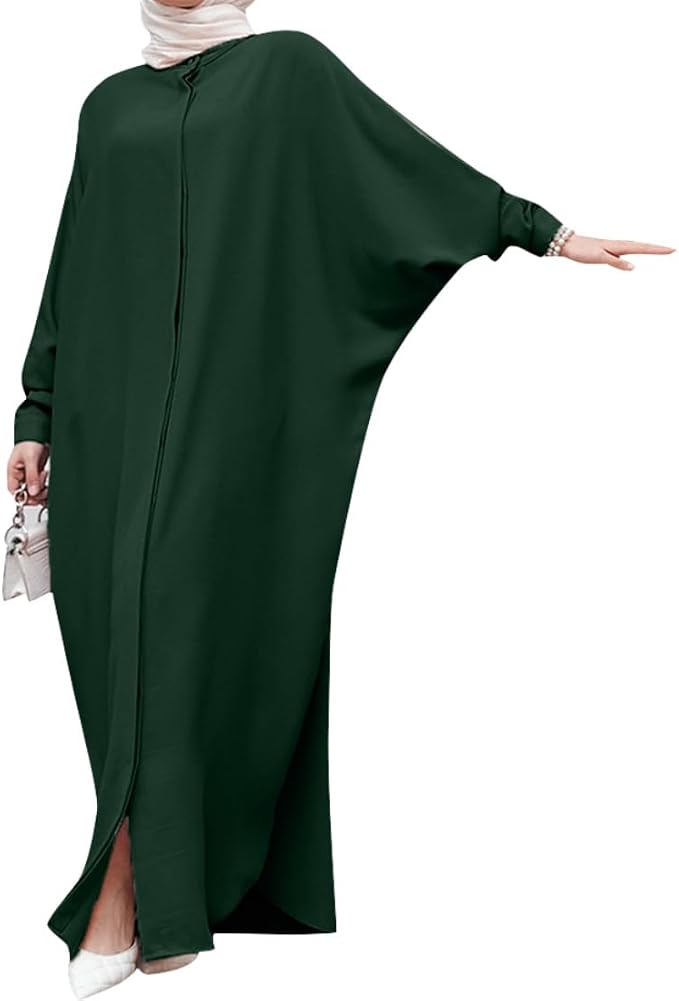
8. Shirt abaya with a long layered hijab
A loose shirt-style abaya can look polished without a waist tie. Wear it fully closed over an opaque underlayer and add a long hijab with secure coverage.
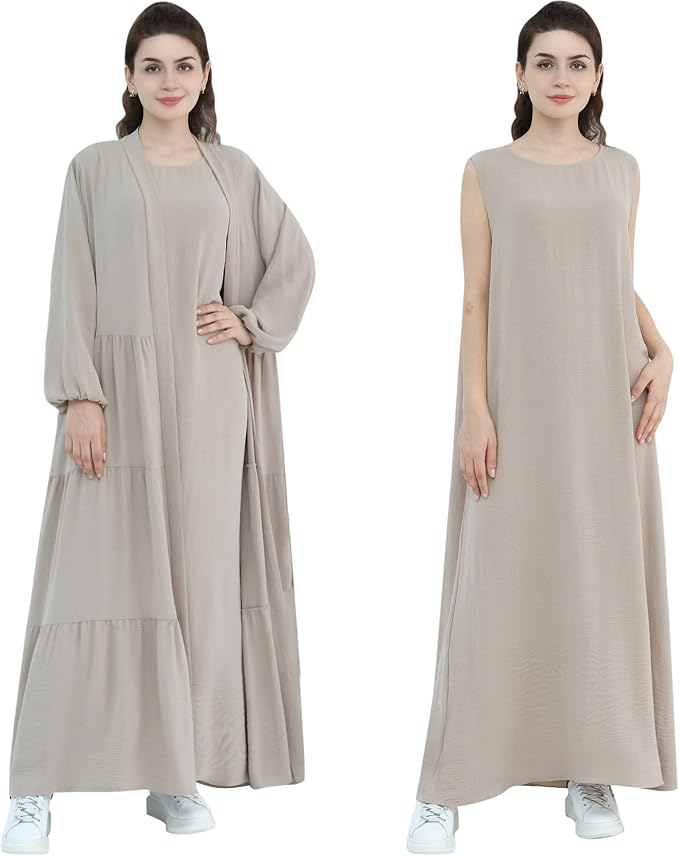
9. Open abaya over a loose opaque inner dress
Layer an open abaya over a wide, non-clinging full-length inner dress. Both layers should be opaque, and the outer abaya should remain loose without a belt.

10. Flowing Eid abaya in a deep jewel tone
For Eid, choose a flowing abaya in burgundy, emerald or deep blue with restrained sleeve detail. Let fabric, color and movement provide elegance instead of a defined waist.
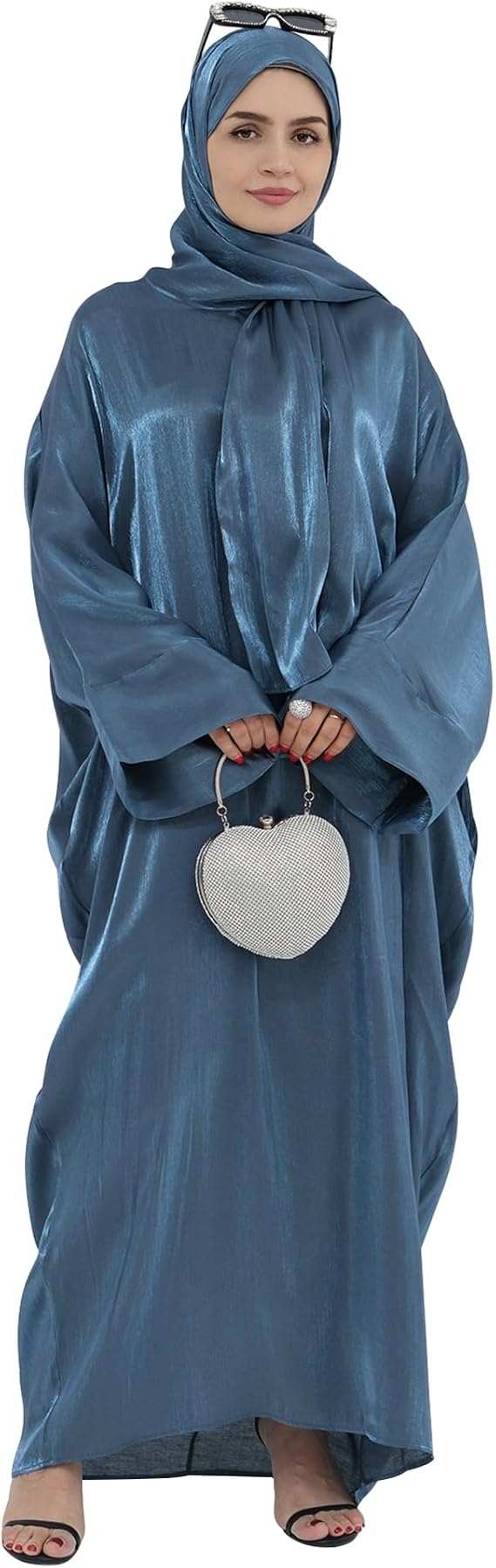
11. Black abaya with subtle embroidered sleeves
Small tonal embroidery at the cuffs can make a black abaya feel special while keeping the overall look calm. Avoid transparent sleeves and fitted cuffs.
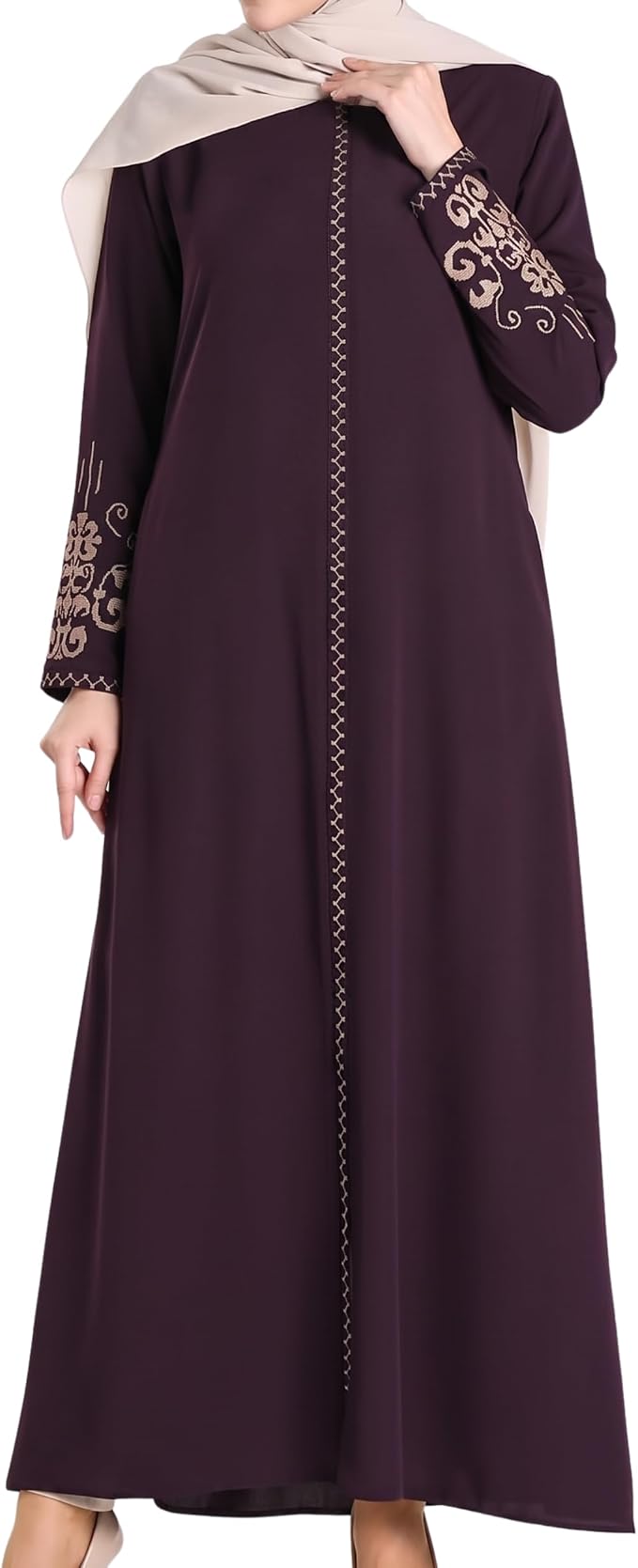
12. Linen-blend summer abaya with a large hijab
In warm weather, look for a breathable linen blend with enough weight to remain opaque. A large lightweight hijab should still fully cover the hair, neck and chest.
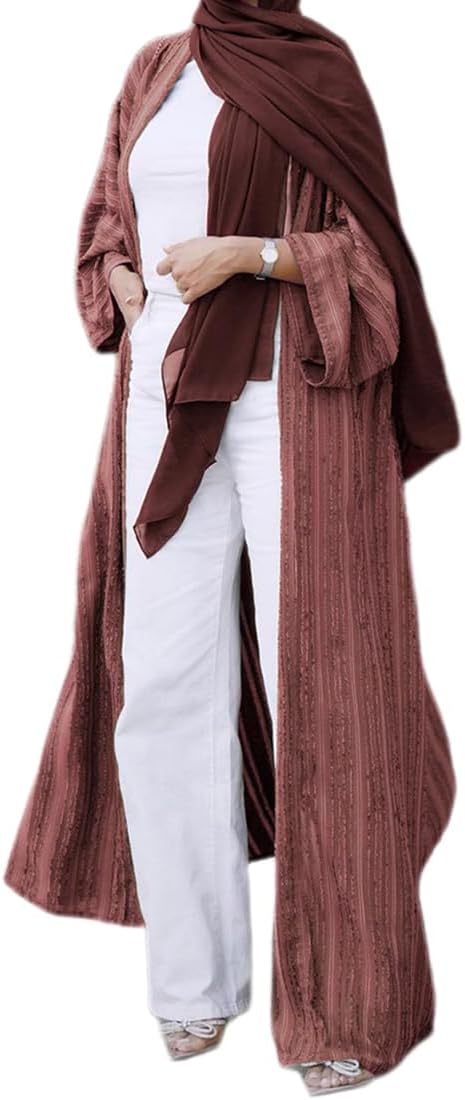
13. Warm winter abaya under a roomy full-length coat
Choose a smooth warm abaya and a coat wide enough to close without pulling across the body. A straight or cocoon cut keeps the outer silhouette loose.
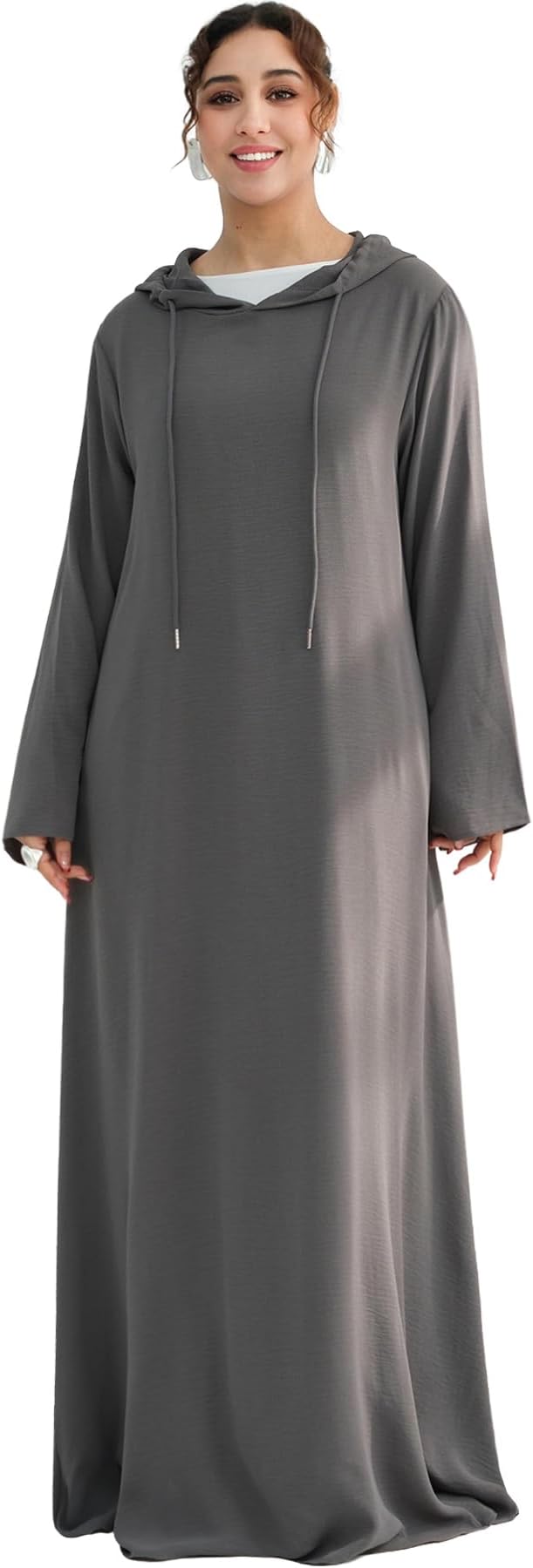
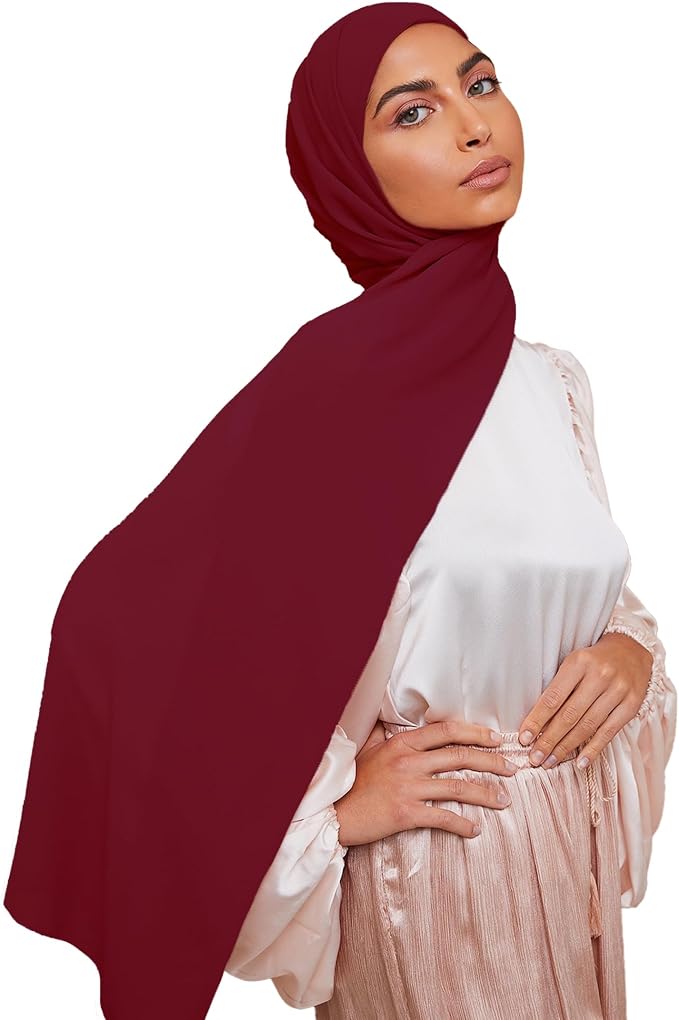
14. Black abaya with a burgundy hijab
A burgundy hijab brings warmth to a simple black abaya for a family meal or gathering. Keep accessories minimal and select a hijab large enough for secure coverage.
15. Neutral abaya with a structured bag and closed-toe flats
A taupe or mushroom abaya works with a small structured bag and simple closed-toe flats. The accessories add polish while the garment remains the quiet foundation.
Fabric and fit checks before buying
- Check garment measurements rather than relying only on the size label
- Read reviews for notes about transparency and cling
- Confirm the sleeve and total garment length
- Choose enough width for walking, sitting and prayer movements
- Skip waist ties even when they are included
- Add an opaque underlayer whenever the outer fabric is light
Frequently asked questions
What can a Muslim woman wear for Jummah?
A loose, opaque and fully covering outfit such as an abaya with a secure hijab or khimar is a practical choice. Follow the guidance of your local mosque and your own trusted religious sources.
How can an Eid outfit feel special without being fitted?
Use a rich color, beautiful fabric, subtle embroidery or a coordinated khimar. Elegance can come from color and texture without a belt or body-defining cut.
Which colors are easiest to repeat?
Black, navy, coffee brown, olive, taupe and charcoal combine easily with cream, oat, burgundy and muted blue hijabs.
Related reading: Modest Casual Outfits · How to Choose an Abaya · Hijab Fabrics Guide
This section contains affiliate links. If you shop through them, The Modest Finds may earn a commission at no extra cost to you. Prices, colours and availability can change.
Abayas for Jummah, Eid and family gatherings
For a polished occasion look, choose one beautiful detail and keep the rest of the outfit calm. The embroidered set, umbrella-cut satin abaya and full-cover butterfly set each suit a different level of formality.
 Mariam's CollectionFloral Embroidered Abaya & Hijab Set (MOA248)
A coordinated embroidered set that feels festive without looking overly formal. It fits daytime Eid visits, Jummah lunches and family photographs beautifully.
$45.90Shop at Mariam's Collection → Mariam's CollectionPremium Satin Umbrella Cut Abaya (MA311)
A fluid A-line satin abaya with pockets that brings quiet luxury to dinners, Jummah and occasion days. The umbrella cut offers movement without needing a belt.
$44.90Shop at Mariam's Collection → Mariam's CollectionFull-Cover Butterfly Abaya With Niqab (MOA019)
A five-piece satin set designed around generous coverage. Its flowing butterfly shape suits Eid, Ramadan evenings and occasions when you want drama without a defined waist.
$57.90Shop at Mariam's Collection →